


Most drone parts don’t die of old age. They die of bad design. A component built without thought wears out fast, cracks early, and leaves you grounded at the worst time. But a part built smart? That one keeps flying long after the cheap stuff has quit. The difference comes down to choices made at the drawing board.
Start With the Right Material
Material is where a long life begins. Selecting a heavy material forces the drone to work harder to stay airborne. But material that’s not durable enough may crack under stress. Ideally, you would like your material to be both lightweight and durable. Composites are the answer for many manufacturers. Not only do they provide strong properties but they also don’t add much weight. Composites are rust and moisture resistant and maintain their integrity at extreme temperatures.
Spread the Stress Around
Every part has weak points. The trick is finding them before the sky does. Stress loves to pile up in sharp corners and tight angles, and that’s exactly where cracks start. Round those edges out and the stress spreads instead of stacking. Smart designers map these pressure points early. They thicken the spots that take the hardest hits and trim the spots that just carry weight. The result is a part that handles its load evenly, with no single place getting hammered. That balance adds years to its life.
Spinning Parts Need Extra Care
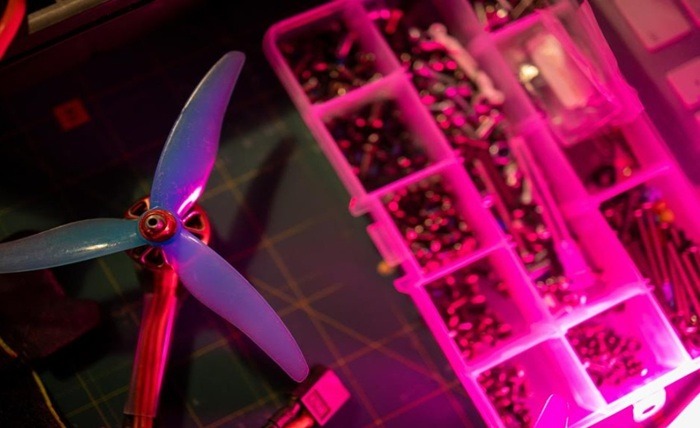
Anything that spins fast lives a hard life. The forces pulling on it never let up. That’s why rotating pieces demand sharp design and top notch materials. One flaw in a fast moving part can turn into a failure in a hurry. Here’s where real skill shows. Well-made UAV propellers (aerodinecomposites.com/rotors-propellers) hold their balance at high speed. Not only that, but they fight off the tiny cracks that creep in over time. Aerodine Composites has become a go-to source for crafting these parts. They do so with the precision that keeps drones steady in the air. That kind of care up front means fewer breakdowns down the road.
Plan for the Rough Days
Drones don’t live in a bubble. They get rained on. They bake in the sun. They slam into hard landings and bounce back up. A part that only works in perfect weather isn’t worth much. You need components ready for the messy real world. So designers test for the worst. They freeze parts and heat them. They soak them and shake them. They want to see how a piece behaves when things turn ugly. If it survives the lab torture, it stands a good shot in the field. Better to break it on the bench than in the sky.
Make It Easy to Fix
Even great parts wear out eventually. The best designs accept that and plan ahead. A part that you can replace within minutes is far better than one that requires you to dismantle the entire drone. Easy fixes keep the aircraft flying and the costs down. Simple connections, clear access, and smart layout all help here. When a tech can reach a worn part without a struggle, repairs happen faster. And a drone that’s quick to fix spends more time doing its job and less time on the shelf.
Conclusion
A long lasting drone part isn’t luck. It’s the payoff for choices made early and made well. Pick the right material. Spread the stress. Respect the spinning pieces. Test for the ugly days. And make the fix simple when the time comes. Build it smart from the start. Do this and it’ll stay in the air a whole lot longer.


